
What "Design-Build" Actually Means for You
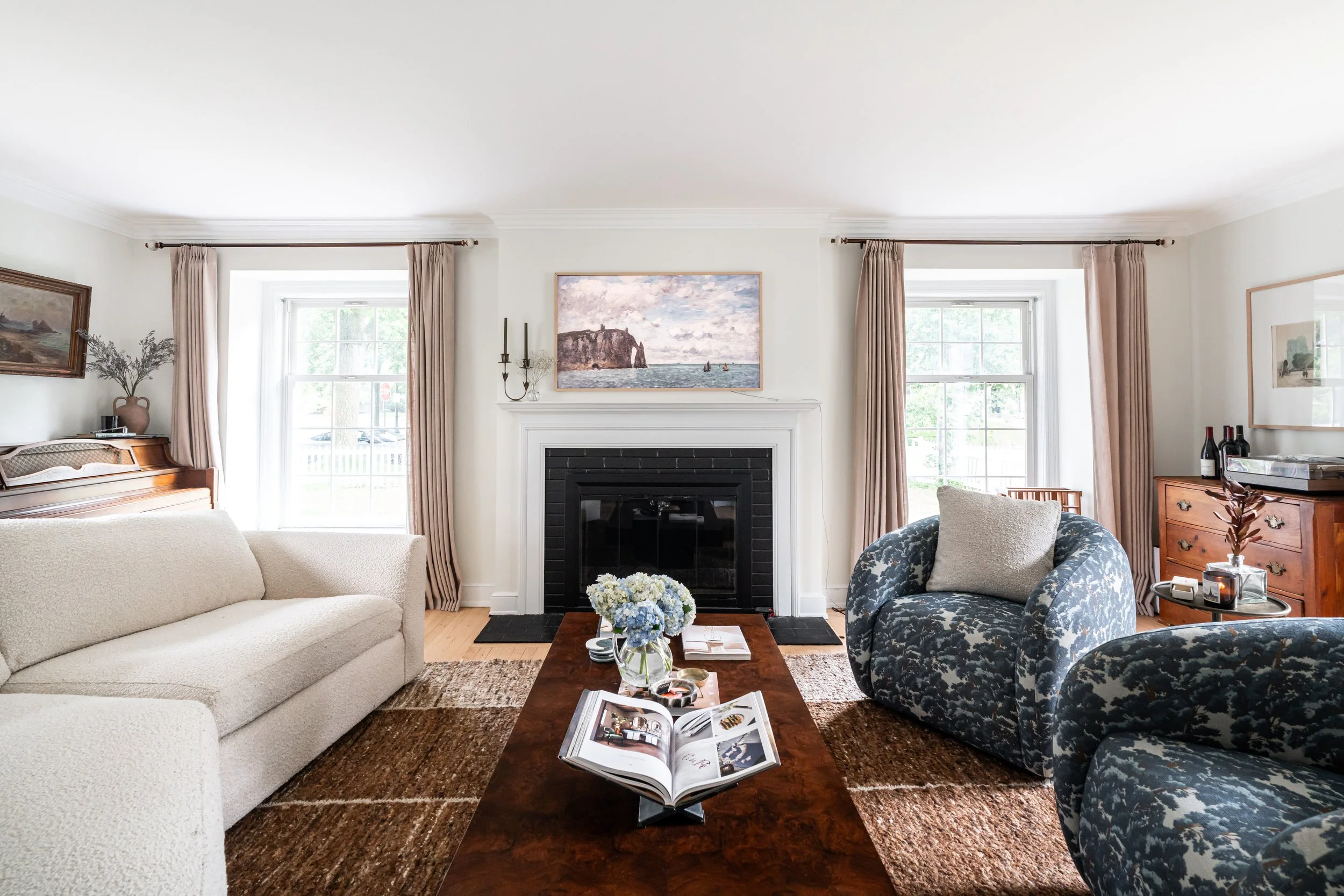
You may have seen the term design-build and not thought much about it. It sounds like industry language, and mostly it is. But what it means for you as a homeowner is simple and worth understanding before you start any project of size: the people who design your renovation and the people who build it are the same team, accountable to you together.
That matters far more than it sounds.
The problem with keeping them separate
In the traditional approach, design and construction are two different camps. You hire a designer or architect, approve a beautiful set of drawings, and then go looking for a builder to price and build them. It seems orderly, but problems live in the gap between those camps:
The drawings say one thing and the framing reality says another, and you are the one caught in the middle.
The plans may cost far more than anyone hinted, and by then you are already committed to them.
Every change becomes a negotiation.
Every surprise becomes a delay, and often a bill.
What changes under one team
When design and construction sit together, that gap closes. What we draw, we already know how to build, because the person estimating the cost and the person swinging the hammer were in the room while it was still being designed. For you, that means:
We tell you what something will actually cost before you fall in love with it, not after.
We know what is behind your walls because we are the ones who will open them.
Problems get caught on paper, where they are cheap to fix, instead of mid-project, where they are not.
One group is accountable from the first rough sketch to the final walkthrough.
Less refereeing, more building
A renovation is disruptive enough on its own. You should not also have to translate between a designer and a builder who quietly blame each other, or referee your own project. The least the process can do is stay honest and stay coordinated. That is what design-build is really for.
